Close this alert

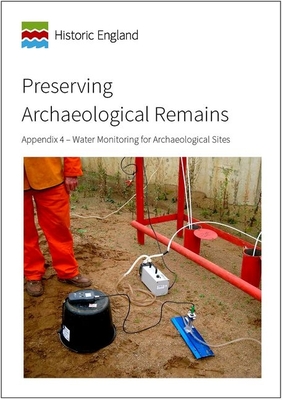
Preserving Archaeological Remains: Appendix 4 - Water Monitoring for Archaeological Sites (Historic England Guidance)
Current price:
$51.99
Publish Date:
Publisher:
Historic England
ISBN:
9781848024694
Pages:
36
Language:
English
Special Order - Subject to Availability
Description
This advice is for developers, owners, archaeologists and planners working on projects where the intention is to retain and protect archaeological sites beneath or within the development. It can also be read in relation to other land-use or site management work. It has a particular focus on decision-taking on waterlogged archaeological sites.
The emphasis throughout is on the benefits gained, both to sustainable development and the archaeological resource from understanding:
- the significance and current state of preservation of the archaeological material
- the potential development impacts of the proposed scheme
- (in relation to sites containing waterlogged archaeological remains) the availability and quality of water necessary to sustain the long-term future of those sites.
It also highlights the likely range of information needed to fully assess these issues and the benefits of pre-application discussion and assessment to promote a viable way forward for sustainable development on what can often be complex sites. Whilst particular sections of this document are focused on waterlogged archaeological sites, the core themes within this advice note, of prior preservation and impact assessment are relevant to all sites.
Additional methodological detail and technical advice is provided in the appendices.
Other Books in Series
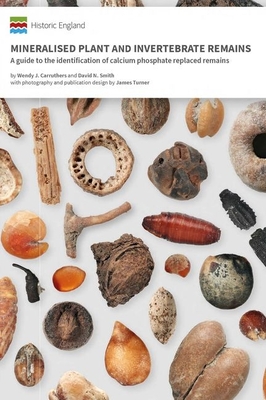
Mineralised Plant and Invertebrate Remains: A Guide to the Identification of Calcium Phosphate Replaced Remains (Historic England Guidance)
Paperback
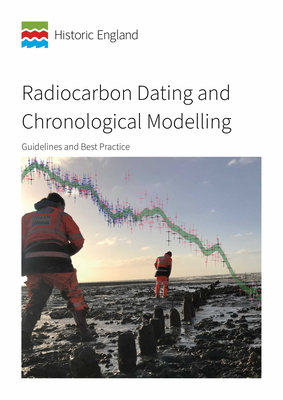
Radiocarbon Dating and Chronological Modelling: Guidelines and Best Practice (Historic England Guidance)
Paperback
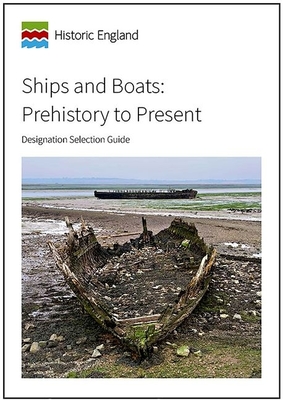
Ships and Boats: Prehistory to Present: Designation Selection Guide (Historic England Guidance)
Paperback
Guidance for Tendered Projects: Heritage Protection Commissions Programme (Historic England Guidance)
Paperback
Guidance for Grants Projects: Heritage Protection Commissions Programme (Historic England Guidance)
Paperback
19th- And 20th-Century Roman Catholic Churches: Introductions to Heritage Assets (Historic England Guidance)
Paperback
Public Art 1945-95: Introductions to Heritage Assets (Historic England Guidance)
Paperback

Repointing Brick and Stone Walls: Guidelines for Best Practice (Historic England Guidance)
Paperback

Using Airborne Lidar in Archaeological Survey: The Light Fantastic (Historic England Guidance)
Paperback
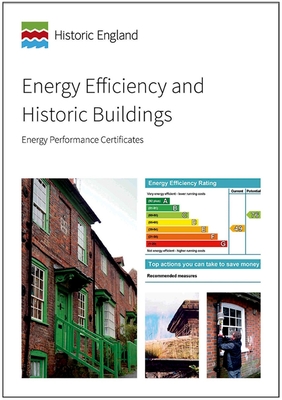
Energy Efficiency and Historic Buildings: Energy Performance Certificates (Historic England Guidance)
Paperback
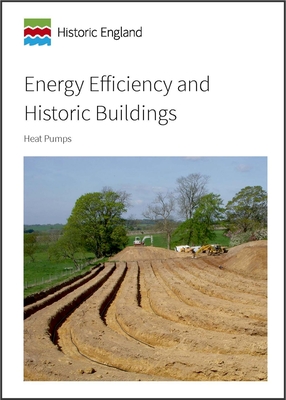
Energy Efficiency and Historic Buildings: Heat Pumps (Historic England Guidance)
Paperback
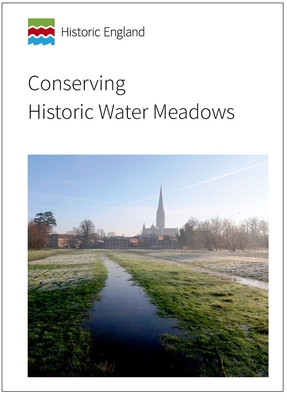
Conserving Historic Water Meadows (Historic England Guidance)
Paperback
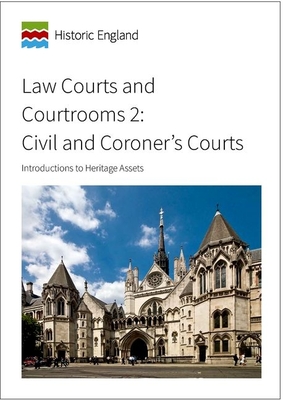
Law Courts and Courtrooms 2: Civil and Coroner's Courts: Introductions to Heritage Assets (Historic England Guidance)
Paperback

Understanding the Archaeology of Landscapes: A Guide to Good Recording Practice (Second Edition) (Historic England Guidance)
Paperback

Guidance for Sentencers: Heritage Crime (Historic England Guidance)
Paperback

Streets for All: Advice for Highway and Public Realm Works in Historic Places (Historic England Guidance)
Paperback

Vacant Historic Buildings: Guidelines on Managing Risks (Historic England Guidance)
Paperback

Stained Glass Windows: Managing Environmental Deterioration (Historic England Guidance)
Paperback

Graffiti on Historic Buildings: Removal and Prevention (Historic England Guidance)
Paperback