Close this alert

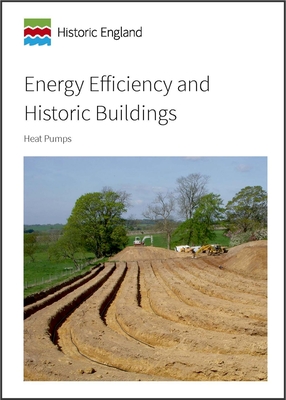
Energy Efficiency and Historic Buildings: Heat Pumps (Historic England Guidance)
Current price:
$51.99
Publish Date:
Publisher:
Historic England
ISBN:
9781848025172
Pages:
28
Language:
English
Special Order - Subject to Availability
Description
This guidance covers the issues associated with installing a heat pump in a historic building. It describes the different options available and how they work. Advice is also provided on how to minimise the potential damage to the fabric of the building in the design of the installation.
Before installing a renewable energy technology in a building, all available energy efficiency measures, including low-energy lighting, heating controls and improved insulation, should ideally already have been made.
This guidance note is aimed at providing advice for building owners and occupiers who are considering installing a heat pump to generate their own energy. It will also be useful for architects, surveyors, building contractors or similar building professionals who need to make the appropriate selection of equipment and method of installation to work within a historic building.
This guidance note is one of a series of five guidance notes covering the installation of renewables and low carbon technologies such as photovoltaics, solar thermal, hydroelectric and wind.
Other Books in Series

Mineralised Plant and Invertebrate Remains: A Guide to the Identification of Calcium Phosphate Replaced Remains (Historic England Guidance)
Paperback
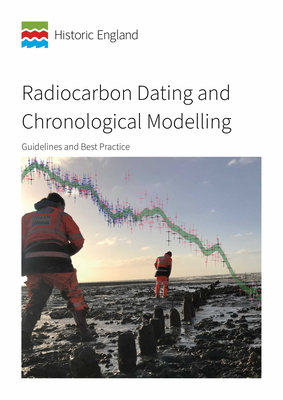
Radiocarbon Dating and Chronological Modelling: Guidelines and Best Practice (Historic England Guidance)
Paperback
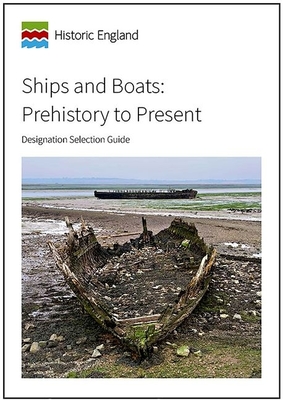
Ships and Boats: Prehistory to Present: Designation Selection Guide (Historic England Guidance)
Paperback
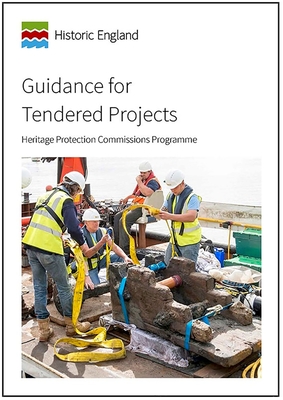
Guidance for Tendered Projects: Heritage Protection Commissions Programme (Historic England Guidance)
Paperback
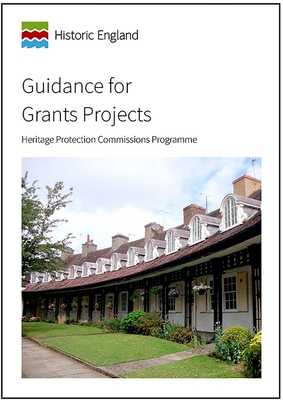
Guidance for Grants Projects: Heritage Protection Commissions Programme (Historic England Guidance)
Paperback
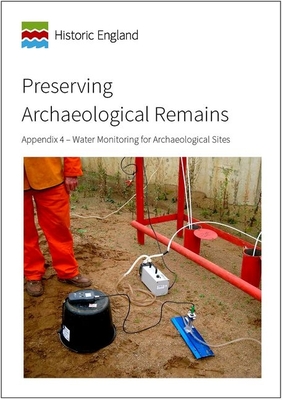
Preserving Archaeological Remains: Appendix 4 - Water Monitoring for Archaeological Sites (Historic England Guidance)
Paperback
19th- And 20th-Century Roman Catholic Churches: Introductions to Heritage Assets (Historic England Guidance)
Paperback
Public Art 1945-95: Introductions to Heritage Assets (Historic England Guidance)
Paperback

Repointing Brick and Stone Walls: Guidelines for Best Practice (Historic England Guidance)
Paperback

Using Airborne Lidar in Archaeological Survey: The Light Fantastic (Historic England Guidance)
Paperback
Energy Efficiency and Historic Buildings: Energy Performance Certificates (Historic England Guidance)
Paperback
Conserving Historic Water Meadows (Historic England Guidance)
Paperback
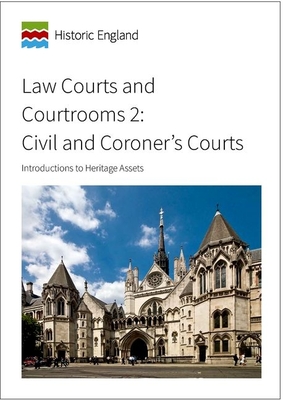
Law Courts and Courtrooms 2: Civil and Coroner's Courts: Introductions to Heritage Assets (Historic England Guidance)
Paperback

Understanding the Archaeology of Landscapes: A Guide to Good Recording Practice (Second Edition) (Historic England Guidance)
Paperback

Guidance for Sentencers: Heritage Crime (Historic England Guidance)
Paperback

Streets for All: Advice for Highway and Public Realm Works in Historic Places (Historic England Guidance)
Paperback

Vacant Historic Buildings: Guidelines on Managing Risks (Historic England Guidance)
Paperback

Stained Glass Windows: Managing Environmental Deterioration (Historic England Guidance)
Paperback

Graffiti on Historic Buildings: Removal and Prevention (Historic England Guidance)
Paperback