Close this alert


Using Airborne Lidar in Archaeological Survey: The Light Fantastic (Historic England Guidance)
Current price:
$71.99
Publish Date:
Publisher:
Historic England
ISBN:
9781848025479
Pages:
96
Language:
English
Usually Ships in 1 to 5 Days
Description
This guidance is designed to help those intending to use airborne laser scanning (ALS), also known as lidar, for archaeological survey. The aim is to help archaeologists, researchers and those who manage the historic environment to decide first, whether using lidar data will actually be beneficial in terms of their research aims, and second, how the data can be used effectively. The guidance will be most useful to those who have access to data that have already been commissioned, or are planning to commission lidar for a specific purpose. They also provide an introduction to data interpretation in order to separate archaeological and non-archaeological features.
Although important themes are introduced, this guidance are not intended as a definitive explanation of the technique or the complexities of acquiring and processing the raw data, particularly as this is a still developing technology. This document is intended to complement 3D Laser Scanning for Heritage, which covers a wider range of uses of laser scanning for heritage purposes (Historic England 2018).
This Guidance is a revision of The Light Fantastic: Using Airborne Lidar in Archaeological Survey published by English Heritage in 2010. The text has largely been maintained except for certain areas where major changes have occurred in the ensuing years. This is particularly true with regard to increased access to data and the wide range of visualisation techniques now available. The case studies have also been updated to reflect more recent survey activity and to include examples from outside Historic England.
Other Books in Series
Mineralised Plant and Invertebrate Remains: A Guide to the Identification of Calcium Phosphate Replaced Remains (Historic England Guidance)
Paperback
Radiocarbon Dating and Chronological Modelling: Guidelines and Best Practice (Historic England Guidance)
Paperback
Ships and Boats: Prehistory to Present: Designation Selection Guide (Historic England Guidance)
Paperback
Guidance for Tendered Projects: Heritage Protection Commissions Programme (Historic England Guidance)
Paperback
Guidance for Grants Projects: Heritage Protection Commissions Programme (Historic England Guidance)
Paperback
Preserving Archaeological Remains: Appendix 4 - Water Monitoring for Archaeological Sites (Historic England Guidance)
Paperback
19th- And 20th-Century Roman Catholic Churches: Introductions to Heritage Assets (Historic England Guidance)
Paperback
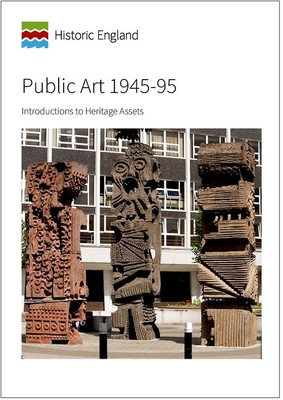
Public Art 1945-95: Introductions to Heritage Assets (Historic England Guidance)
Paperback

Repointing Brick and Stone Walls: Guidelines for Best Practice (Historic England Guidance)
Paperback
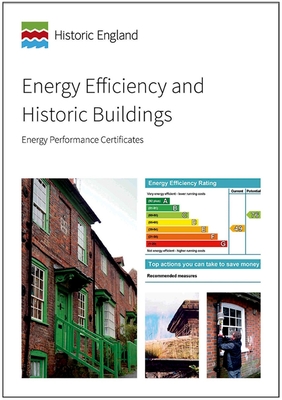
Energy Efficiency and Historic Buildings: Energy Performance Certificates (Historic England Guidance)
Paperback
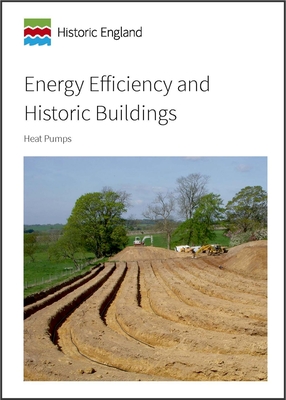
Energy Efficiency and Historic Buildings: Heat Pumps (Historic England Guidance)
Paperback
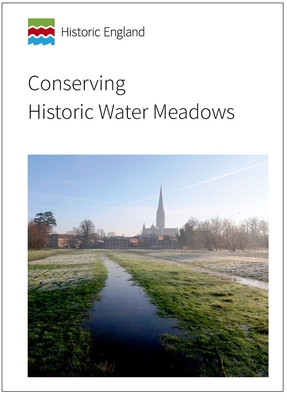
Conserving Historic Water Meadows (Historic England Guidance)
Paperback
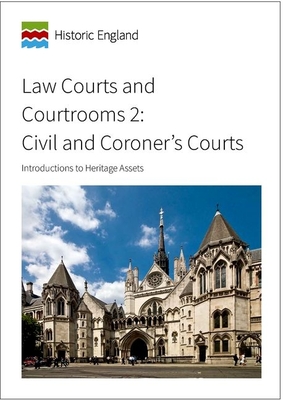
Law Courts and Courtrooms 2: Civil and Coroner's Courts: Introductions to Heritage Assets (Historic England Guidance)
Paperback

Understanding the Archaeology of Landscapes: A Guide to Good Recording Practice (Second Edition) (Historic England Guidance)
Paperback

Guidance for Sentencers: Heritage Crime (Historic England Guidance)
Paperback

Streets for All: Advice for Highway and Public Realm Works in Historic Places (Historic England Guidance)
Paperback

Vacant Historic Buildings: Guidelines on Managing Risks (Historic England Guidance)
Paperback

Stained Glass Windows: Managing Environmental Deterioration (Historic England Guidance)
Paperback

Graffiti on Historic Buildings: Removal and Prevention (Historic England Guidance)
Paperback