Close this alert

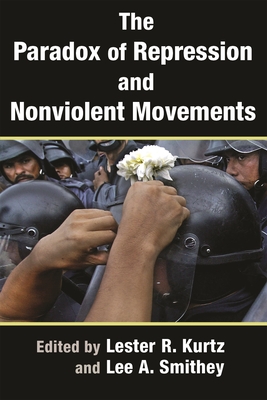
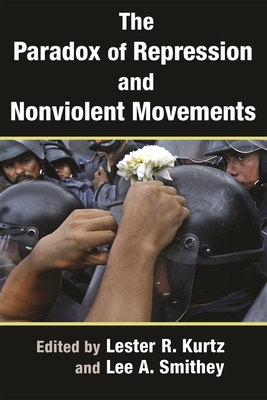
The Paradox of Repression and Nonviolent Movements (Syracuse Studies on Peace and Conflict Resolution)
Current price:
$34.95
Publish Date:
Publisher:
Syracuse University Press
ISBN:
9780815635826
Pages:
368
Language:
English
Usually Ships in 1 to 5 Days
Description
Political repression often paradoxically fuels popular movements rather than undermining resistance. When authorities respond to strategic nonviolent action with intimidation, coercion, and violence, they often undercut their own legitimacy, precipitating significant reforms or even governmental overthrow. Brutal repression of a movement is often a turning point in its history: Bloody Sunday in the March to Selma led to the passage of
civil rights legislation by the US Congress, and the Amritsar Massacre in India showed the world the injustice of the British Empire's use of force in maintaining control over its colonies.
Activists in a wide range of movements have engaged in nonviolent strategies of repression management that can raise the likelihood that repression will cost those who use it. The Paradox of Repression and Nonviolent Movements brings scholars and activists together to address multiple dimensions and significant cases of this phenomenon, including the relational nature of nonviolent struggle and the cultural terrain on which it takes place, the psychological costs for agents of repression, and the importance of participation, creativity, and overcoming fear, whether in the streets or online.
Other Books in Series
New Release

Managing Global Conflicts: The International Negotiation Process (Syracuse Studies on Peace and Conflict Resolution)
Paperback

The 60s Communes: Hippies and Beyond (Syracuse Studies on Peace and Conflict Resolution)
Paperback
Sexism and the War System (Syracuse Studies on Peace and Conflict Resolution)
Paperback

Virginia Woolf and the Great War
Hardcover
Give Peace a Chance: Exploring the Vietnam Antiwar Movement (Syracuse Studies on Peace and Conflict Resolution)
Paperback
The Paradox of Repression and Nonviolent Movements (Syracuse Studies on Peace and Conflict Resolution)
Hardcover
Beyond Othering: A Gandhian Approach to Conflict Resolution in India and Pakistan (Syracuse Studies on Peace and Conflict Resolution)
Paperback
Beyond Othering: A Gandhian Approach to Conflict Resolution in India and Pakistan (Syracuse Studies on Peace and Conflict Resolution)
Hardcover
Re-Centering: Culture and Knowledge in Conflict Resolution Practice (Syracuse Studies on Peace and Conflict Resolution)
Hardcover

Cultures of Peace: The Hidden Side of History (Syracuse Studies on Peace and Conflict Resolution)
Paperback
People's Peace: Prospects for a Human Future (Syracuse Studies on Peace and Conflict Resolution)
Hardcover
Youth Encounter Programs in Israel: Pedagogy, Identity, and Social Change (Syracuse Studies on Peace and Conflict Resolution)
Hardcover
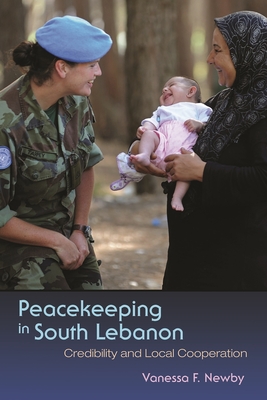
Peacekeeping in South Lebanon: Credibility and Local Cooperation (Syracuse Studies on Peace and Conflict Resolution)
Hardcover

Making Peace with Referendums: Cyprus and Northern Ireland (Syracuse Studies on Peace and Conflict Resolution)
Hardcover
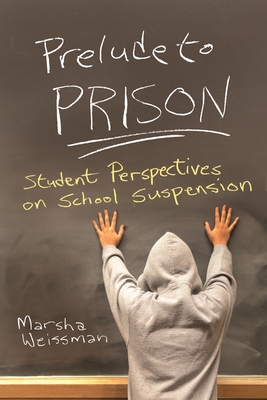
Prelude to Prison: Student Perspectives on School Suspension (Syracuse Studies on Peace and Conflict Resolution)
Hardcover
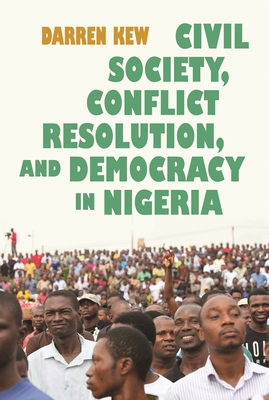
Civil Society, Conflict Resolution, and Democracy in Nigeria (Syracuse Studies on Peace and Conflict Resolution)
Hardcover

Western Sahara: War, Nationalism, and Conflict Irresolution (Syracuse Studies on Peace and Conflict Resolution)
Hardcover

American Ordeal: The Antiwar Movement of the Vietnam Era (Syracuse Studies on Peace and Conflict Resolution)
Paperback
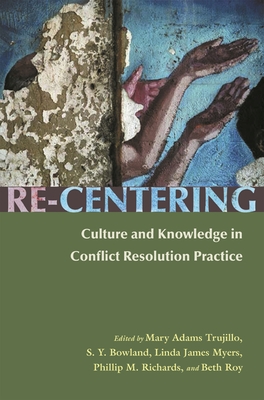
Re-Centering: Culture and Knowledge in Conflict Resolution Practice (Syracuse Studies on Peace and Conflict Resolution)
Paperback