Close this alert

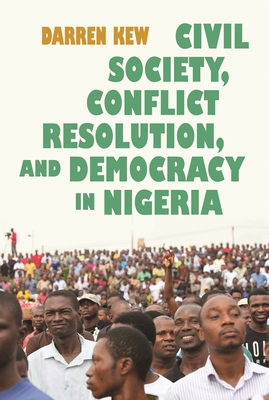
Civil Society, Conflict Resolution, and Democracy in Nigeria (Syracuse Studies on Peace and Conflict Resolution)
Current price:
$75.00
Publish Date:
Publisher:
Syracuse University Press
ISBN:
9780815634584
Pages:
448
Language:
English
Usually Ships in 1 to 5 Days
Description
African nations have watched the recent civic dramas of the Arab Spring and Occupy Wall Street asking if they too will see similar civil society actions in their own countries. Nigeria--Africa's most populous nation--has long enjoyed one of the continent's most vibrant civil society spheres, which has been instrumental in political change. Initially viewed as contributing to democracy's development, however, civil society groups have come under increased scrutiny by scholars and policymakers. Do some civil society groups promote democracy more effectively than others? And if so, which ones, and why?
By examining the structure, organizational cultures, and methods of more than one hundred Nigerian civil society groups, Kew finds that the groups that best promote democratic development externally are themselves internally democratic. Specifically, the internally democratic civil society groups build more sustainable coalitions to resist authoritarian rule; support and influence political parties more effectively; articulate and promote public interests in a more negotiable fashion; and, most importantly, inculcate democratic norms in their members, which in turn has important democratizing impacts on national political cultures and institutions. Further, internally democratic groups are better able to resolve ethnic differences and ethnic-based tensions than their undemocratically structured peers.
This book is a deeply comprehensive account of Nigerian civil society groups in the late twentieth and early twenty-first centuries. Kew blends democratic theory with conflict resolution methodologies to argue that the manner in which groups--and states--manage internal conflicts provides an important gauge as to how democratic their political cultures are. The conclusions will allow donors and policymakers to make strategic decisions in their efforts to build a democratic society in Nigeria and other regions.
Other Books in Series
New Release

Managing Global Conflicts: The International Negotiation Process (Syracuse Studies on Peace and Conflict Resolution)
Paperback

The 60s Communes: Hippies and Beyond (Syracuse Studies on Peace and Conflict Resolution)
Paperback
Sexism and the War System (Syracuse Studies on Peace and Conflict Resolution)
Paperback
Virginia Woolf and the Great War
Hardcover
Give Peace a Chance: Exploring the Vietnam Antiwar Movement (Syracuse Studies on Peace and Conflict Resolution)
Paperback
The Paradox of Repression and Nonviolent Movements (Syracuse Studies on Peace and Conflict Resolution)
Hardcover
Beyond Othering: A Gandhian Approach to Conflict Resolution in India and Pakistan (Syracuse Studies on Peace and Conflict Resolution)
Paperback
Beyond Othering: A Gandhian Approach to Conflict Resolution in India and Pakistan (Syracuse Studies on Peace and Conflict Resolution)
Hardcover
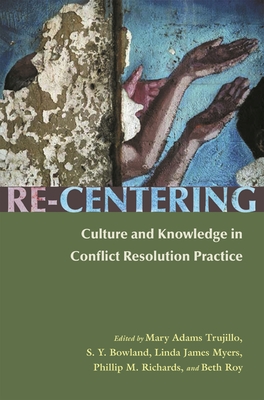
Re-Centering: Culture and Knowledge in Conflict Resolution Practice (Syracuse Studies on Peace and Conflict Resolution)
Hardcover

Cultures of Peace: The Hidden Side of History (Syracuse Studies on Peace and Conflict Resolution)
Paperback
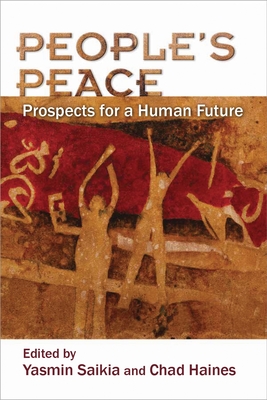
People's Peace: Prospects for a Human Future (Syracuse Studies on Peace and Conflict Resolution)
Hardcover
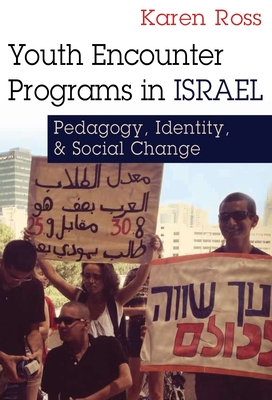
Youth Encounter Programs in Israel: Pedagogy, Identity, and Social Change (Syracuse Studies on Peace and Conflict Resolution)
Hardcover
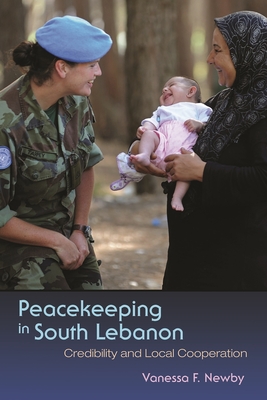
Peacekeeping in South Lebanon: Credibility and Local Cooperation (Syracuse Studies on Peace and Conflict Resolution)
Hardcover
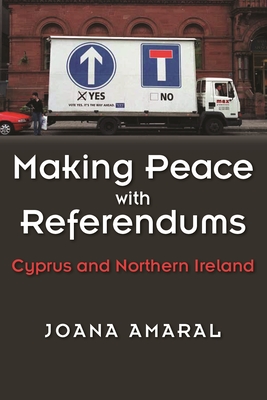
Making Peace with Referendums: Cyprus and Northern Ireland (Syracuse Studies on Peace and Conflict Resolution)
Hardcover
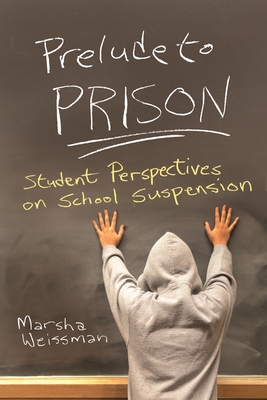
Prelude to Prison: Student Perspectives on School Suspension (Syracuse Studies on Peace and Conflict Resolution)
Hardcover
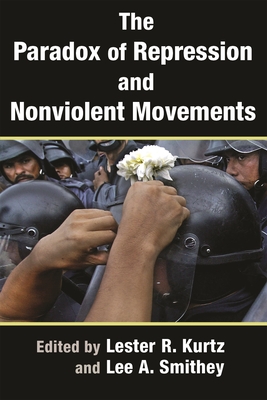
The Paradox of Repression and Nonviolent Movements (Syracuse Studies on Peace and Conflict Resolution)
Paperback
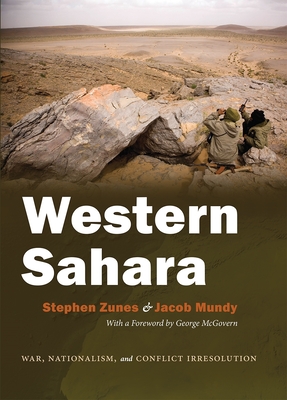
Western Sahara: War, Nationalism, and Conflict Irresolution (Syracuse Studies on Peace and Conflict Resolution)
Hardcover
American Ordeal: The Antiwar Movement of the Vietnam Era (Syracuse Studies on Peace and Conflict Resolution)
Paperback
Re-Centering: Culture and Knowledge in Conflict Resolution Practice (Syracuse Studies on Peace and Conflict Resolution)
Paperback