Close this alert

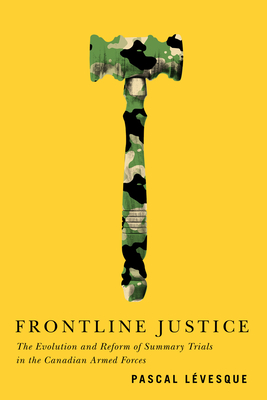
Frontline Justice: The Evolution and Reform of Summary Trials in the Canadian Armed Forces (Human Dimensions In Foreign Policy, Military Studies, And Security Studies Series #7)
Current price:
$125.00
Publish Date:
Publisher:
McGill-Queen's University Press
ISBN:
9780773559295
Pages:
248
Language:
English
Special Order - Subject to Availability
Description
Compared with its civilian counterpart - which struggles with delays and uncertain results - summary military justice is efficient. From offence until outcome, 90 per cent of cases are dealt with in less than ninety days. The other side of the coin is that there is no right to representation by defence counsel, no transcript produced, and no appeal to a judge. Nine times out of ten, individuals are found guilty. For service members, consequences can include fines, reductions in rank, confinement, and sentences of up to thirty days in military jail, sometimes with a criminal conviction. Addressing important gaps in legal literature, Frontline Justice sets out to examine summary justice in Canada's military and to advocate for reform. Pascal Lévesque describes the origins, purposes, and features of the summary trial system in the Canadian Armed Forces. He then analyzes the system's benefits and flaws and the challenges it faces in maintaining discipline while respecting the Canadian Charter of Rights and Freedoms. Lévesque determines that troubling aspects of the system, including the fact that lower and higher ranks are dealt with and punished differently, are clear indicators of a need for change. Criticizing current legislation, the book takes into account the latest developments in military law and jurisprudence to make concrete recommendations for an alternative model of military justice. A thought-provoking and balanced analysis, Frontline Justice seeks to remedy some of the more unfair and arcane proceedings of the Canadian military's summary trial system.
Praise for Frontline Justice: The Evolution and Reform of Summary Trials in the Canadian Armed Forces (Human Dimensions In Foreign Policy, Military Studies, And Security Studies Series #7)
“In Frontline Justice, Lévesque has made a substantial contribution to our understanding that summary trials form a critical part of Canadian military justice and carry important implications for a range of constitutional issues. It is essential reading for politicians, policymakers, and stakeholders [and] highly relevant to Canadian military-legal scholars and serving personnel whose lives and careers are impacted by these legislative and constitutional debates and decisions. It is an important book for any interested in the ongoing need to balance the application of the rule of law and punitive justice with the essential rights guaranteed to all accused citizens.” H-War, H-Net Reviews
Other Books in Series
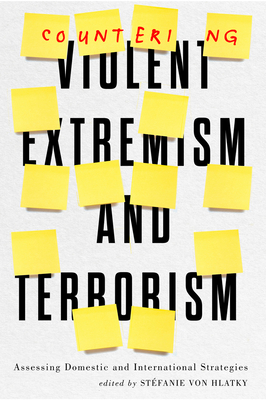
Countering Violent Extremism and Terrorism: Assessing Domestic and International Strategies (Human Dimensions In Foreign Policy, Military Studies, And Security Studies Series #8)
Paperback
War Memories: Commemoration, Recollections, and Writings on War (Human Dimensions In Foreign Policy, Military Studies, And Security Studies Series #3)
Paperback
Transhumanizing War: Performance Enhancement and the Implications for Policy, Society, and the Soldier (Human Dimensions In Foreign Policy, Military Studies, And Security Studies Series #9)
Hardcover
Total Defence Forces in the Twenty-First Century (Human Dimensions In Foreign Policy, Military Studies, And Security Studies Series #20)
Paperback
Canada as Statebuilder?: Development and Reconstruction Efforts in Afghanistan (Human Dimensions In Foreign Policy, Military Studies, And Security Studies Series #14)
Paperback
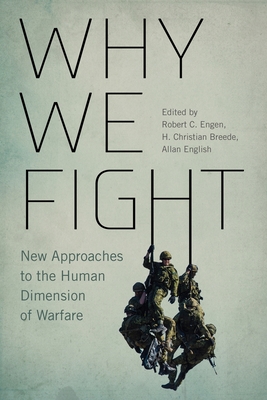
Why We Fight: New Approaches to the Human Dimension of Warfare (Human Dimensions In Foreign Policy, Military Studies, And Security Studies Series #12)
Paperback
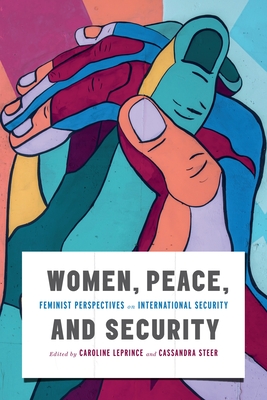
Women, Peace, and Security: Feminist Perspectives on International Security (Human Dimensions In Foreign Policy, Military Studies, And Security Studies Series #15)
Paperback
Total Defence Forces in the Twenty-First Century (Human Dimensions In Foreign Policy, Military Studies, And Security Studies Series #20)
Hardcover
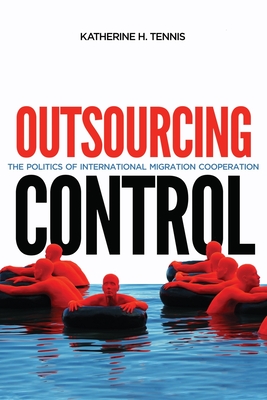
Outsourcing Control: The Politics of International Migration Cooperation (Human Dimensions In Foreign Policy, Military Studies, And Security Studies Series #13)
Hardcover

Disarmament under International Law (Human Dimensions In Foreign Policy, Military Studies, And Security Studies Series #4)
Paperback
War and Remembrance: Recollecting and Representing War (Human Dimensions In Foreign Policy, Military Studies, And Security Studies Series #18)
Hardcover

The Ones We Let Down: Toxic Leadership Culture and Gender Integration in the Canadian Forces (Human Dimensions In Foreign Policy, Military Studies, And Security Studies Series #16)
Paperback
Postcards from the Western Front: Pilgrims, Veterans, and Tourists after the Great War (Human Dimensions In Foreign Policy, Military Studies, And Security Studies Series #17)
Paperback
The Power of Diversity in the Armed Forces: International Perspectives on Immigrant Participation in the Military (Human Dimensions In Foreign Policy, Military Studies, And Security Studies Series #19)
Hardcover
The Power of Diversity in the Armed Forces: International Perspectives on Immigrant Participation in the Military (Human Dimensions In Foreign Policy, Military Studies, And Security Studies Series #19)
Paperback
Transhumanizing War: Performance Enhancement and the Implications for Policy, Society, and the Soldier (Human Dimensions In Foreign Policy, Military Studies, And Security Studies Series #9)
Paperback
Frontline Justice: The Evolution and Reform of Summary Trials in the Canadian Armed Forces (Human Dimensions In Foreign Policy, Military Studies, And Security Studies Series #7)
Paperback

Rivals in Arms: The Rise of UK-France Defence Relations in the Twenty-First Century (Human Dimensions In Foreign Policy, Military Studies, And Security Studies Series #10)
Paperback
Coping with Geopolitical Decline: The United States in European Perspective (Human Dimensions In Foreign Policy, Military Studies, And Security Studies Series #11)
Paperback